

WELLNESS PHILOSOPHY
Why Healthy Living Feels So Hard Now
Dr. Jacqueline Elnahar, DCN, RD, ESQ.
An Environment Working Against Us
If healthy living feels more difficult today than it did a generation ago, it isn't simply because people have become less disciplined.
In many ways, we're asking our bodies to perform at a high level while living in an environment that makes health increasingly difficult to maintain.
We spend more hours sitting than ever before. Meals are often eaten in the car or between meetings. Sleep is sacrificed in favor of productivity, and stress has become so normalized that many people no longer recognize how profoundly it influences their physical health. Even our attention is fragmented, pulled in countless directions by constant notifications, endless information, and the pressure to always be connected.
The Limits of Willpower
Despite this, the conversation around health often focuses almost exclusively on individual responsibility. We are told to eat better, exercise more, and simply try harder. While those recommendations are important, they overlook an equally important reality: the body responds to the conditions in which it lives.
When the Body Adapts to Depletion
When sleep is consistently shortened, stress remains elevated, physical activity is limited, and nutrition becomes an afterthought, the body adapts accordingly. Energy becomes less reliable. Recovery slows. Hunger and fullness cues become more difficult to interpret. Healthy choices begin to require more effort, not because we suddenly lack motivation, but because the physiological systems that support those choices are no longer functioning at their best.
This helps explain why so many intelligent, motivated people feel frustrated. They know what they should be doing. They've read the books, downloaded the apps, and tried countless plans. Yet knowledge alone rarely creates lasting change. Health is not simply a collection of isolated decisions. It reflects the cumulative influence of our daily environment, routines, relationships, and behaviors.
Small Steps, Real Change
The encouraging news is that our bodies are remarkably adaptable. Small improvements, repeated consistently, often matter far more than dramatic overhauls that last only a few weeks. Choosing a nourishing breakfast, taking a walk after dinner, strength training a few times each week, protecting sleep, and creating routines that reduce decision fatigue may seem ordinary, but together they can meaningfully improve how we feel and function over time.
Healthy living was never meant to feel like a constant battle. When we begin supporting the body's natural physiology instead of fighting against it, consistency becomes less about willpower and more about creating conditions where health can thrive.

THE TAKEAWAY
Struggling with healthy habits usually isn't a discipline problem, it's an environment problem. Change the conditions your body operates in, and consistency starts to feel natural instead of forced.
MORE FROM THE BLOG
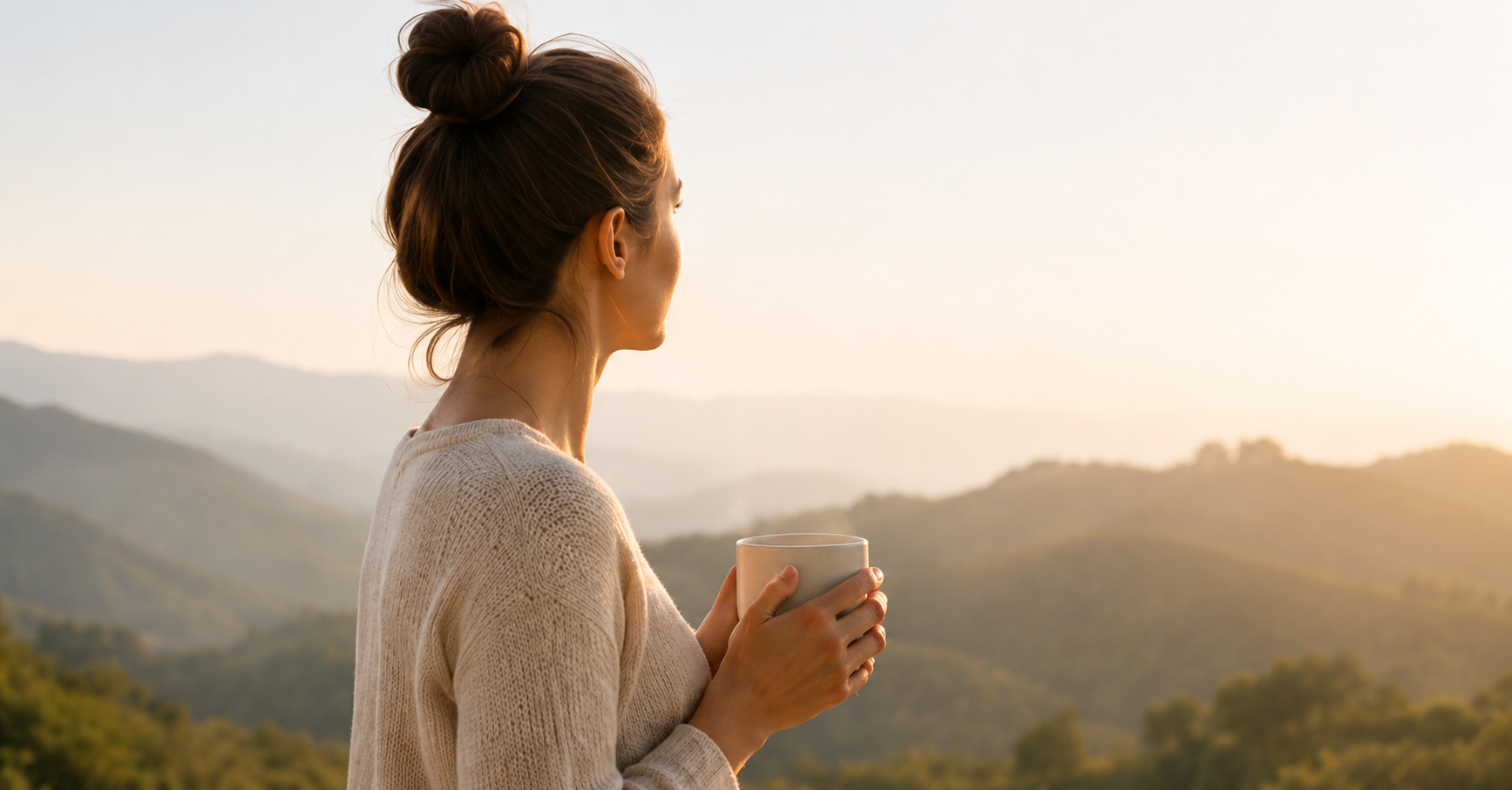
Lasting health is usually built quietly, through ordinary choices that become part of everyday life rather than temporary projects.
Build Biological Reserve in Real Life
HEALTH STRATEGIES
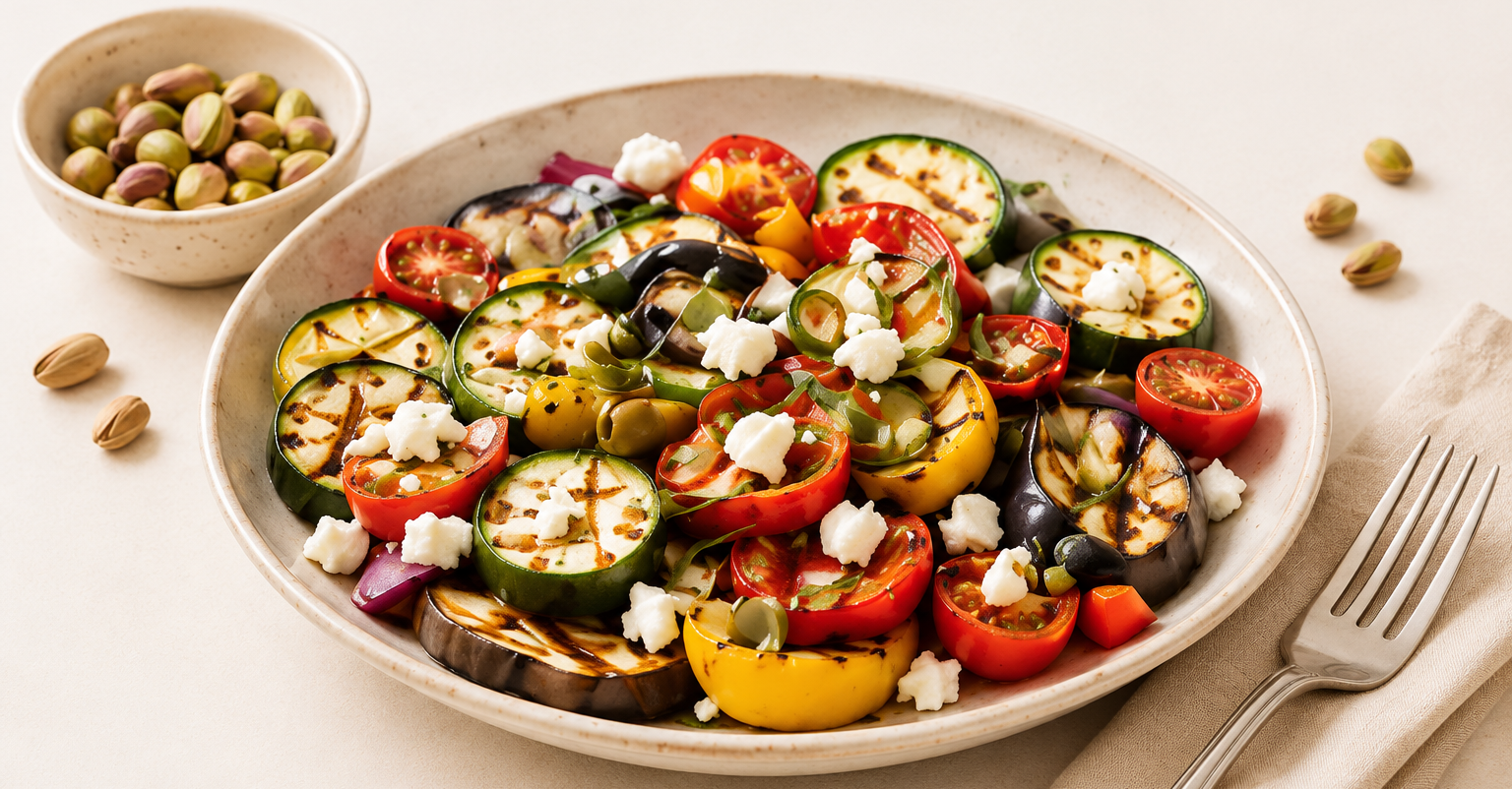
Mediterranean Grilled Vegetable Salad
MEDITERRANEAN . SALAD
A colorful, fiber-rich salad with grilled zucchini, peppers, eggplant, heros, and a briant lemon dressing